Rivers of Opportunity from Virunga National Park
Innovative uses of hydroelectric and solar power are protecting one of the most biologically diverse places on the planet, and bringing opportunity and choice to its neighboring communities.
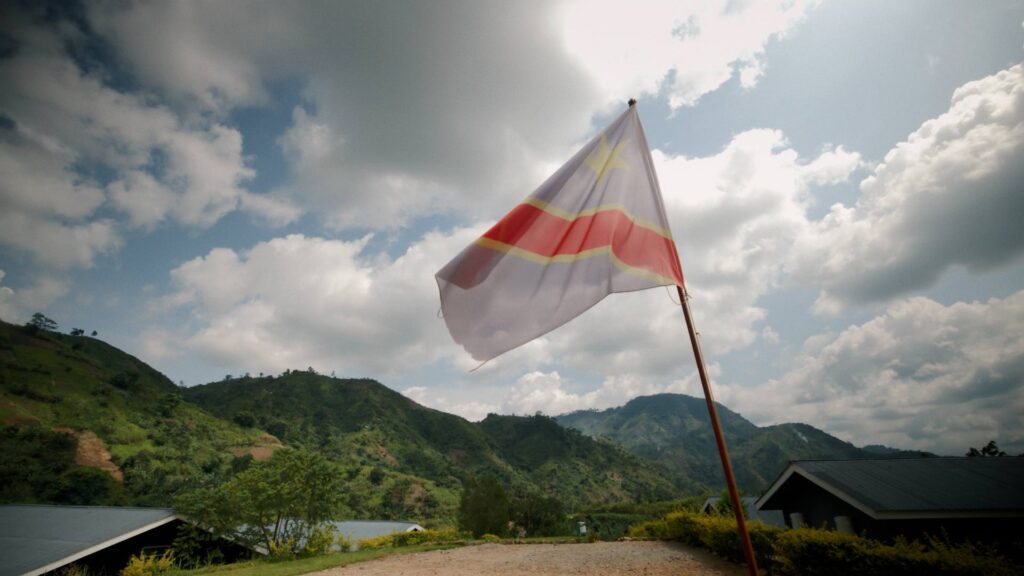
Conflict has engulfed eastern Democratic Republic of the Congo (DRC) for more than 30 years, including the Second Congo War (1998-2003)—often referred to as Africa’s World War—which killed millions of Congolese and drew in neighboring countries and other foreign actors. Among the dynamics that have sustained conflict is competition over the region’s vast natural resources, with more than 100 armed groups operating in eastern DRC today. Decades of violence and insecurity have devastated the region, contributing to extreme poverty and some of the lowest development indicators and levels of electricity access in the world.
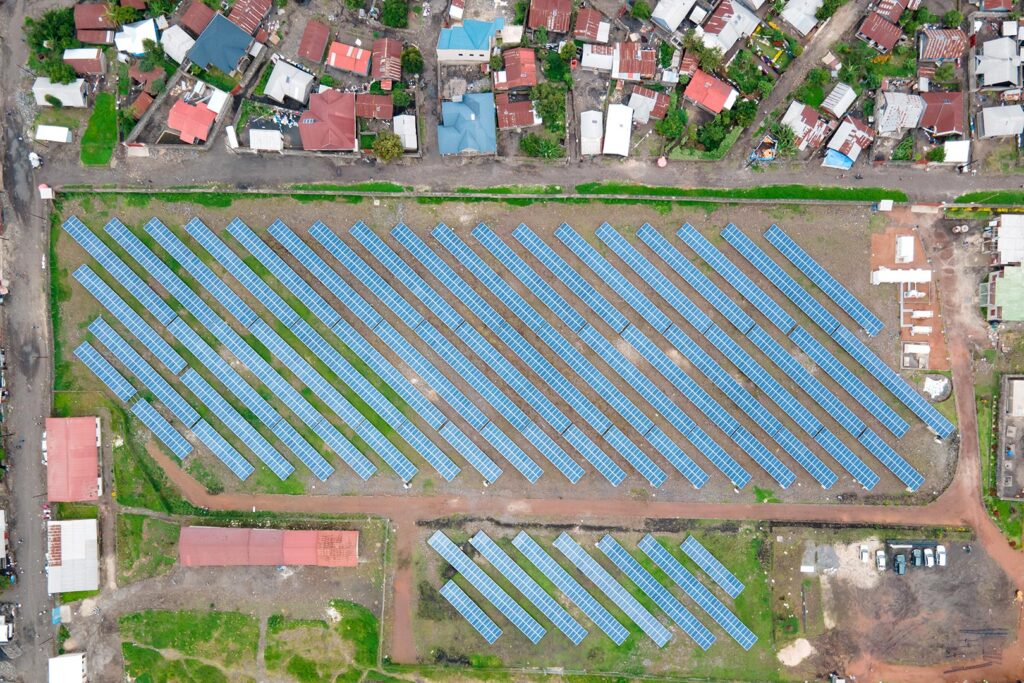
It is in this context that Virunga National Park is leading an ambitious effort to balance conservation with peacebuilding and sustainable economic development. Renewable energy is central to these efforts. Through a network of run-of-river hydroelectric power plants, Virunga is extending first-time access to affordable, reliable electricity, while powering businesses, enabling agricultural processing, and supporting nascent local industries.
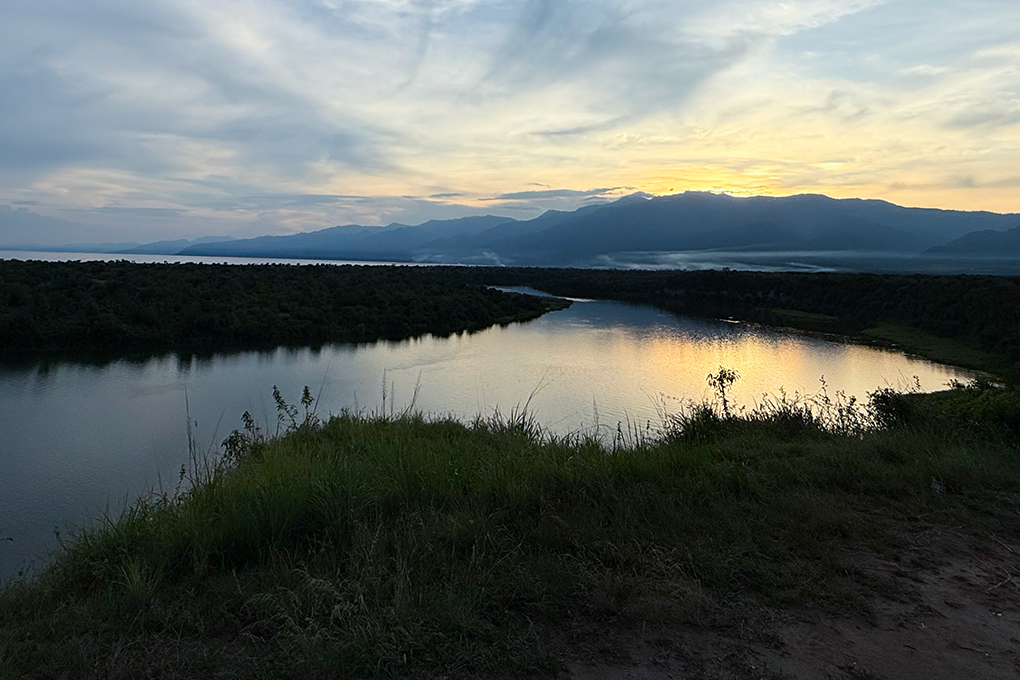
Sunset near Virunga National Park.
Interdependence
Virunga’s vision is grounded in the notion of interdependence: that the relationship between natural ecosystems and human populations can be mutually beneficial rather than zero-sum. Renewable energy, harnessed from the forest-fed rivers of Virunga, is helping provide the foundation for an emerging local economy that offers alternatives to a war economy in which the illicit extraction and trafficking of natural resources generate revenues for armed groups, while leaving vulnerable communities with few economic opportunities.
Virunga estimates that every megawatt of renewable electricity it produces supports 800 to 1,000 jobs. Since its first hydropower plant was commissioned, more than 21,000 jobs have been created, including for more than 2,000 young men and women estimated to have left local armed groups for alternative job opportunities.
In the agricultural sector, renewable energy is allowing more value from production to remain within local communities. In Mangina, a new palm oil factory is enabling farmers to buy land and workers to build homes. In Mutwanga, a cocoa processing facility powered by renewable energy has shortened insecure supply chains that exposed farmers to extortion and violence, improved their access to markets, and reduced revenues flowing to armed groups.
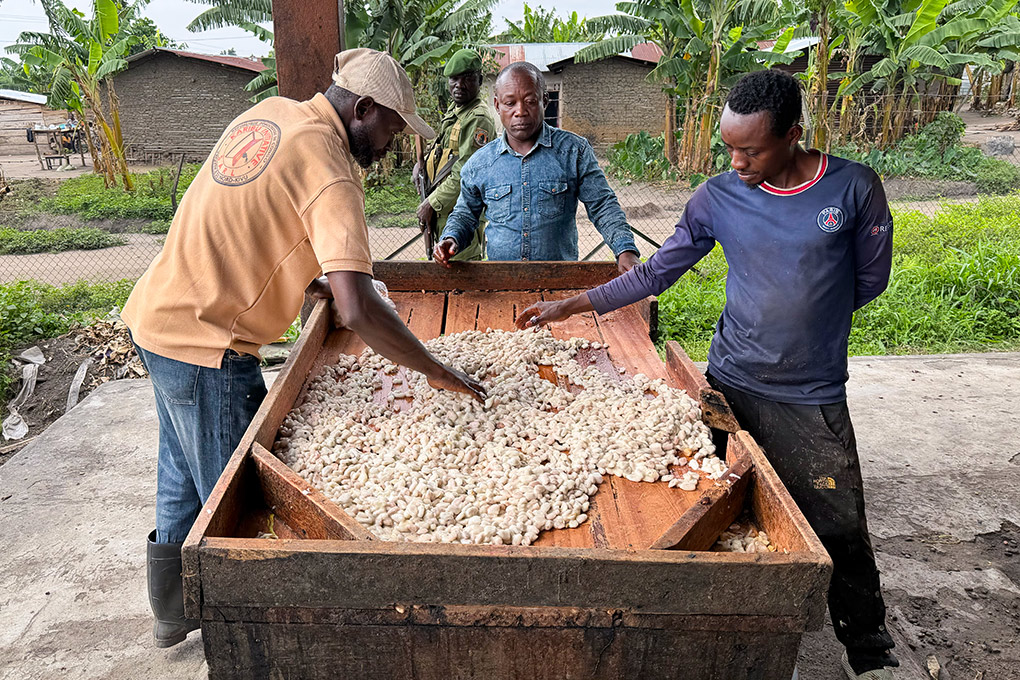
Farmers sort harvested cocoa in Mutwanga, just outside the northern boundary of Virunga National Park.
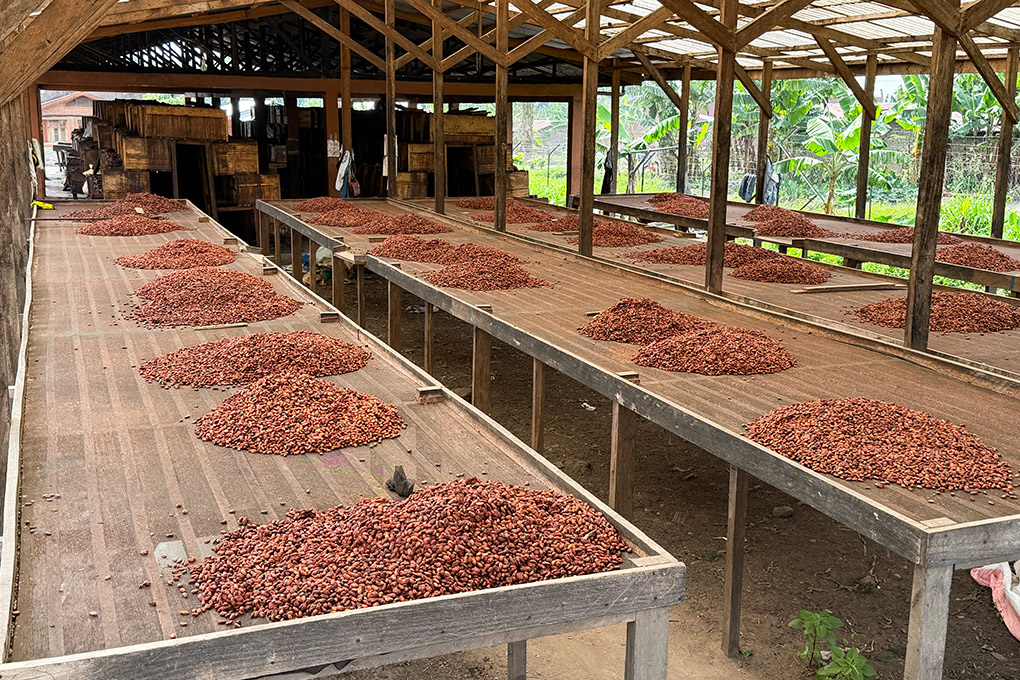
A step in cocoa processing at the facility in Mutwanga.
New Opportunities
These examples illustrate a larger model that Virunga has pioneered: using renewable electricity productively to build businesses, strengthen agricultural value chains, support local industry, and promote interdependence between people and the planet. In a region where poverty and a lack of economic alternatives make young people vulnerable to recruitment by armed groups, these opportunities can help change some of the economic incentives that sustain conflict and insecurity. The model demonstrates that new approaches can be successfully piloted in the most challenging settings. It is now being dramatically scaled via the Kivu-Kinshasa Green Corridor in the Congo Basin, a new national initiative that aims to increase peace, security, and resilience in one of the world’s most fragile and conflict-affected countries.
While the drivers of conflict in eastern DRC remain complex, they are not intractable. Virunga’s efforts demonstrate how renewable energy can help foster an alternative green economy—one that provides part of the economic foundation for greater prosperity and peace.
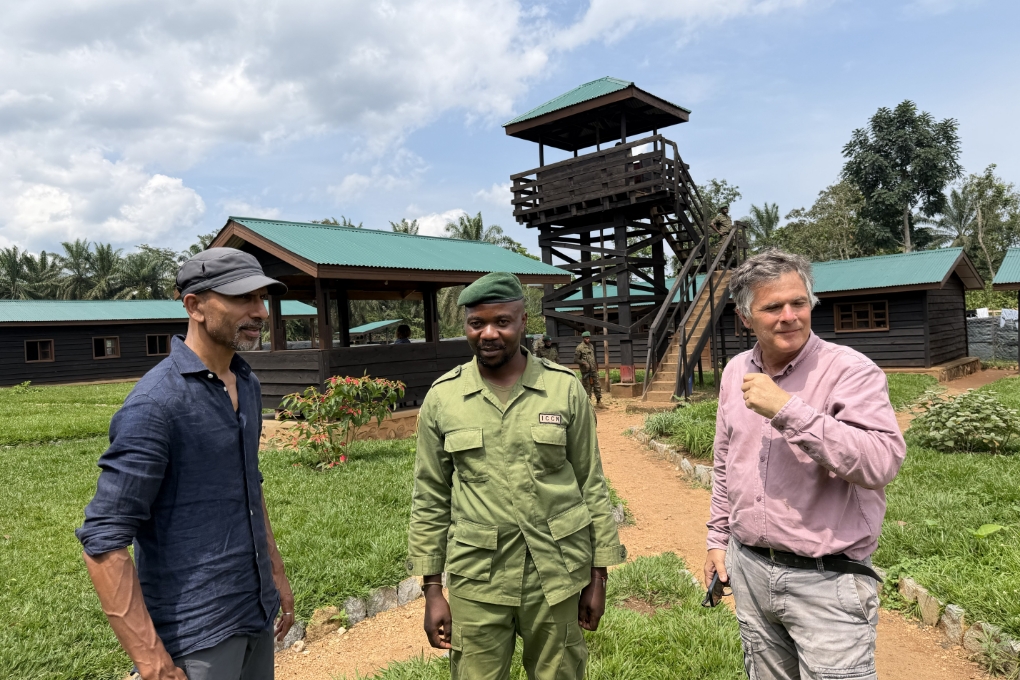
Virunga National Park Director Emmanuel de Merode, right, and Sherwin Das of Energy Peace Partners, left, visit an outpost used by Virunga Rangers near Mutwanga.
Featured Partners
Virunga Energies
Virunga Energies provides clean, reliable, and affordable electricity to local communities living in and around Virunga National Park through its run-of-river hydropower plants.

Energy Peace Partners
Energy Peace Partners (EPP) provides some of the financing for Virunga Energies through Peace Renewable Energy Credits (P-RECs), a tool that connects renewable energy investment with peace and development outcomes.

Stanley Center
Renewable Peace is an initiative of the Stanley Center that tells the stories of transformative renewable energy and peace projects, such as the work of Virunga Energies in DRC.